Building Possibility Together
Our lab is organized into two closely connected teams: academic research and clinical research. The academic team investigates how cancer genomes are altered, organized, and shaped by the processes that drive tumor development. The clinical team develops technologies, computational workflows, and interpretation tools to bring comprehensive genome analysis into cancer diagnostics. Together, we connect fundamental discoveries in genome biology with advances in precision oncology.
Academic Research
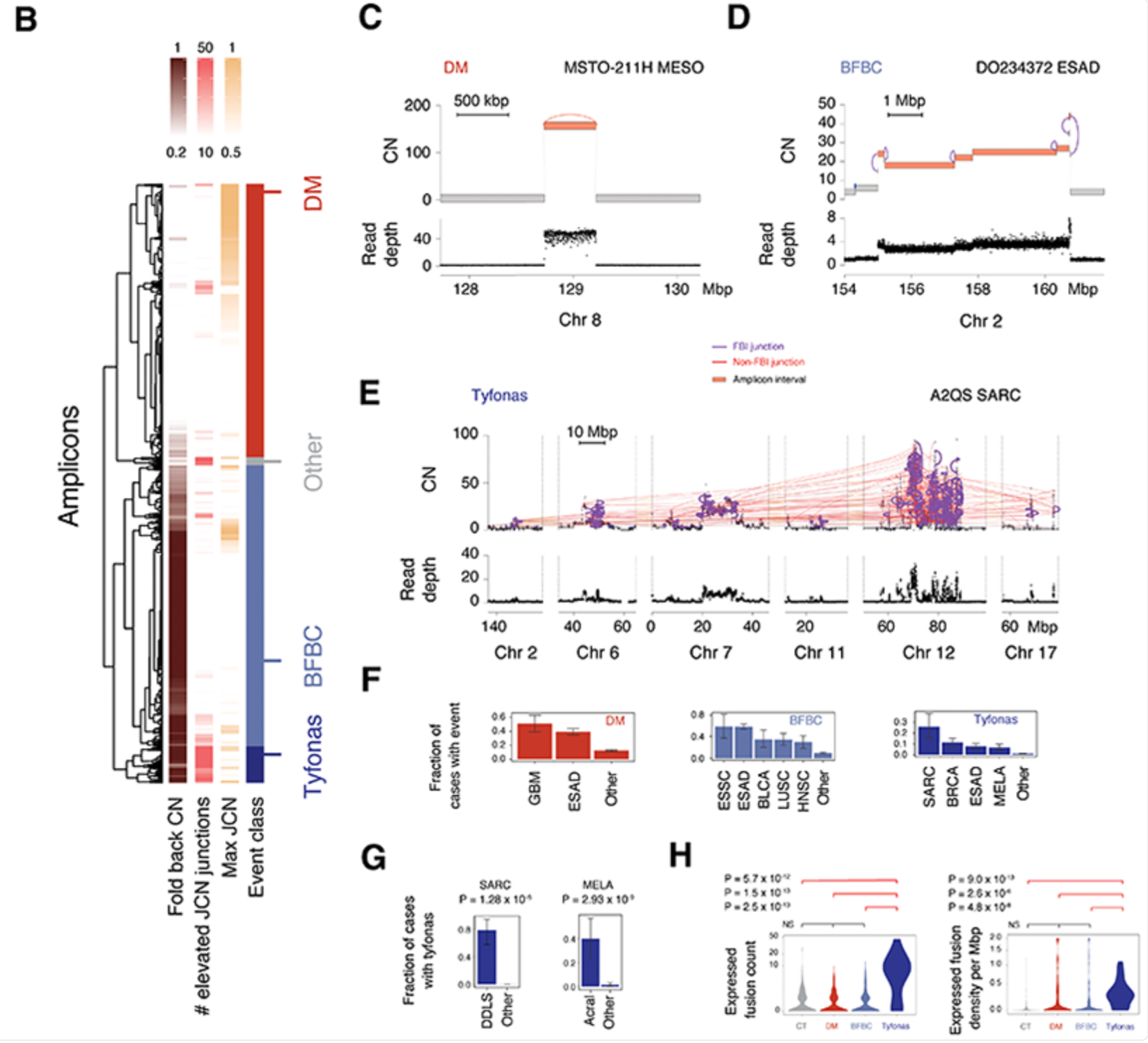
Cancer Genome Structure & Evolution
We investigate how complex DNA rearrangements arise and evolve, and how they shape cancer biology. Combining long-range sequencing, genome graphs, and computational modeling, we reconstruct altered genomes and study the events that produced them, including complex processes such as chromothripsis, or chromosome shattering. Our work also examines the physical principles underlying genome organization and dynamics, helping us understand how cancer exploits and disrupts these processes.
Key Paper: Hadi, K., Yao, X., Behr, J.M,, et al. Cell (2020)
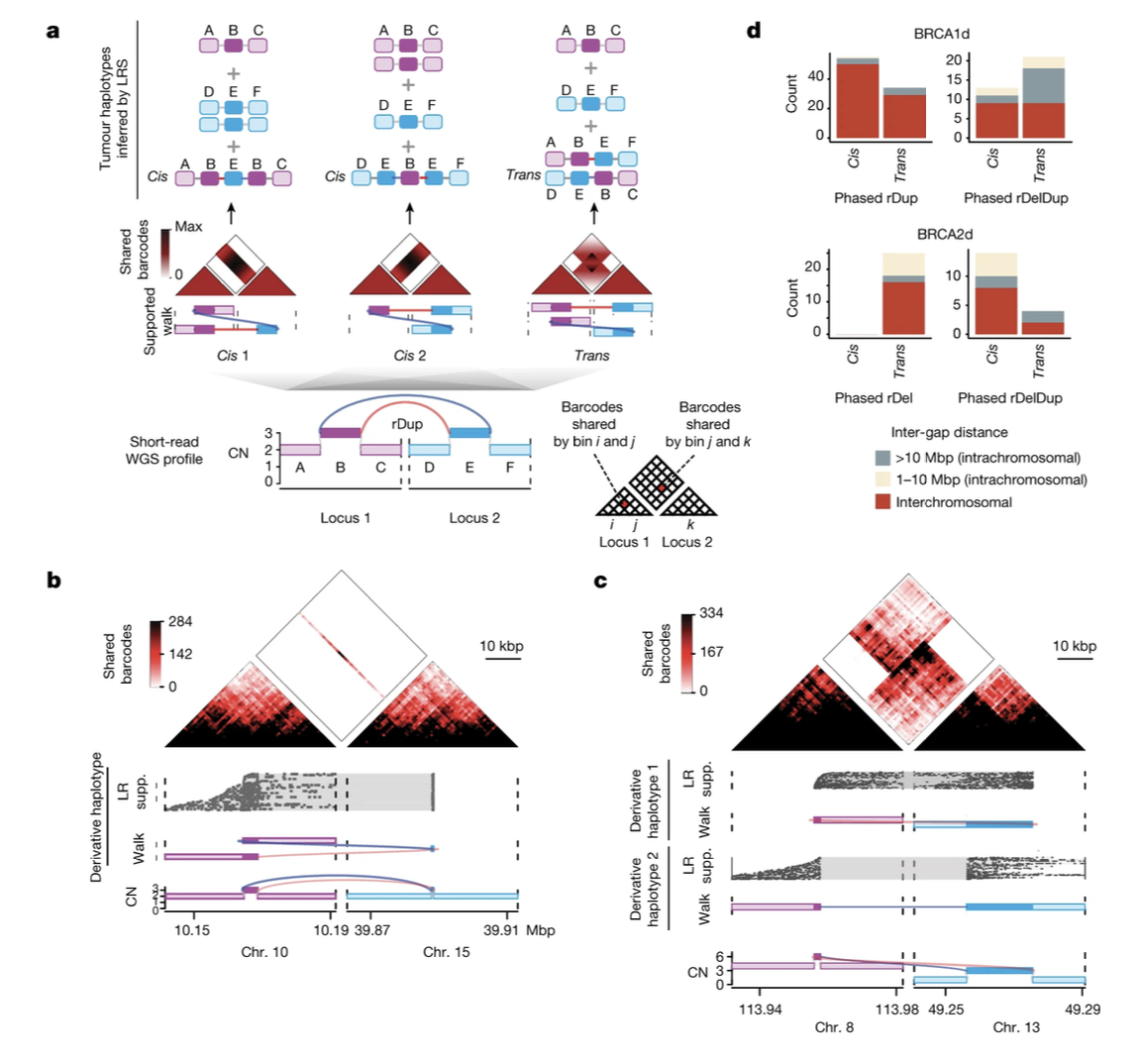
We study how genomic alterations reshape chromatin organization and gene regulation. By integrating long-range sequencing with chromatin profiling, we investigate how DNA rearrangements affect the regulatory landscape of cancer cells and potentially reveal non-coding drivers. Current efforts include exploring Pore-C for cancer genome assembly and comparisons of epigenetic features between haplotypes. We are also investigating how sequence-to-function models can help predict the biological consequences of complex structural variants.
Key Paper: Deshpande, A.S., Ulahannan, N., Pendleton, M., et al. Nature Biotechnology (2022)
Mutational Processes and Genome Instability
We investigate the mutational processes and DNA repair defects that shape cancer genomes. Using computational analyses of human cancers and engineered experimental systems, we study the signatures these processes leave in DNA, particularly through insertions, deletions, and structural rearrangements. Our goal is to understand the mechanisms underlying genome instability and explore how these patterns can inform the biological and clinical interpretation of cancer genomes.
Key Paper: Setton, J., Hadi, K., Choo, Z.N., et al., Nature (2023)
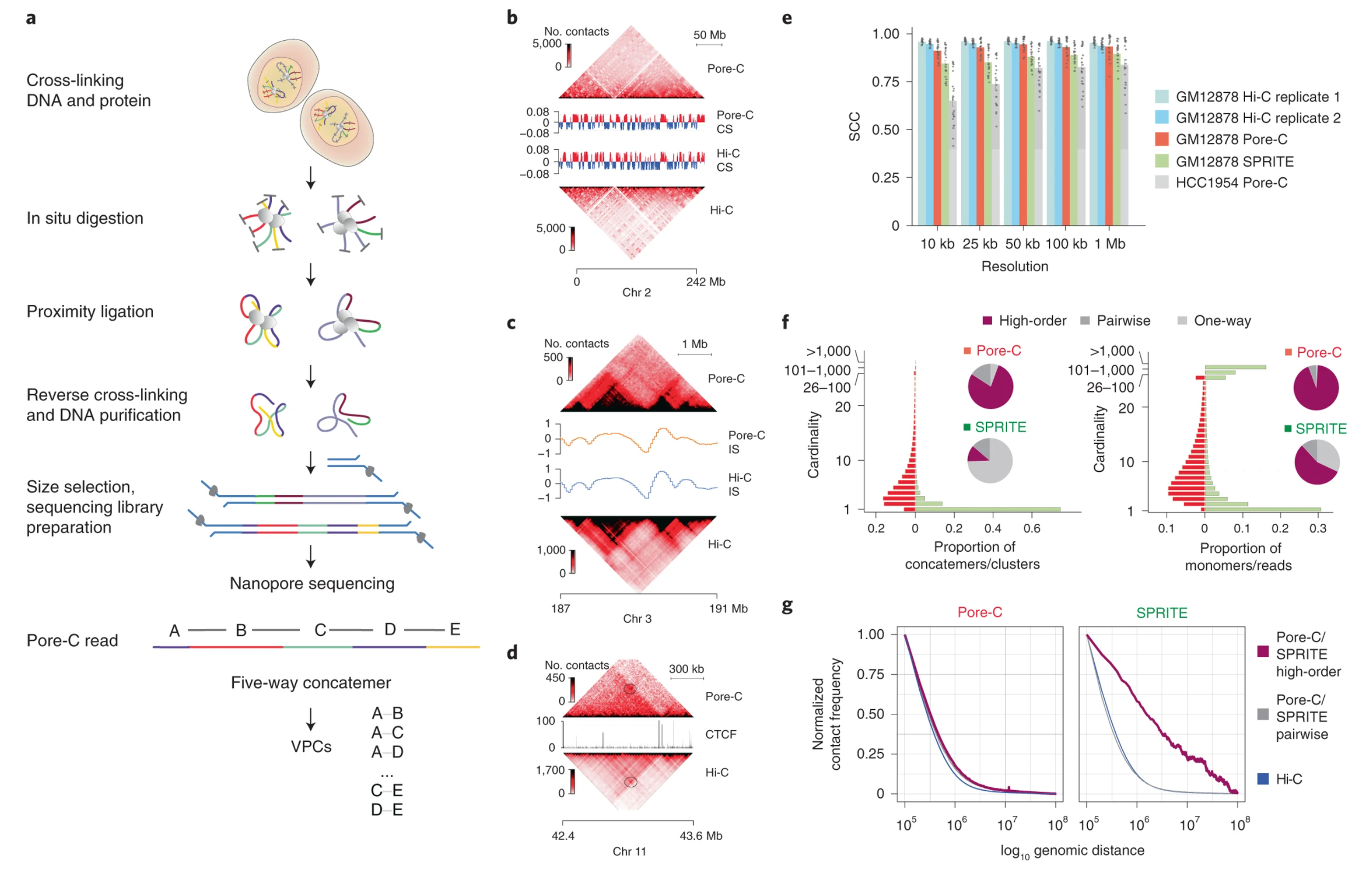
Spatial Genome Organization and Epigenetic Regulation
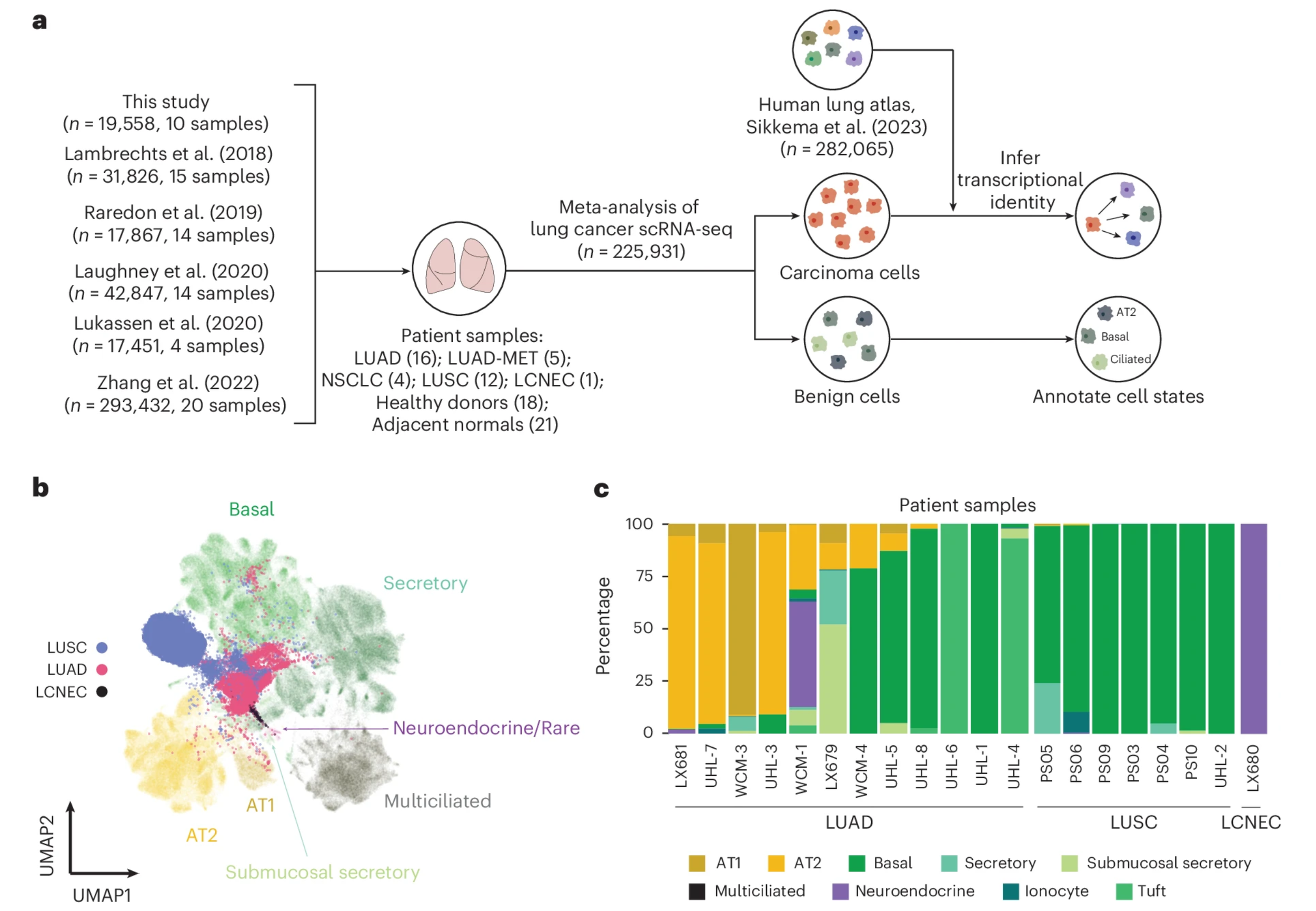
Cancer Origins and Non-Coding Variation
Cancer genomes retain molecular traces of the cells and tissues from which they arose. We study relationships between mutation patterns, gene expression, and epigenetic features to develop approaches for identifying cancer cell and tissue of origin across tumor types. In parallel, we develop methods to detect and annotate non-coding variants, extending our understanding of cancer-associated alterations beyond protein-coding genes.
Key Paper: Panja, S., Mantri, P., Johnson, K.E., Andrade-Martinez, J.S., et al., Nature Genetics (2025)
Clinical Research
Molecular Interpretation and Computational Infrastructure
We developed the Genome Oncology System (gOS), an end-to-end molecular interpretation platform at NYU Langone Health that transforms sequencing data into clinically interpretable insights. Together with workflow tools such as nf-gos, this infrastructure supports the processing, analysis, and interpretation of cancer genomes, including complex structural variation.
We combine software engineering, algorithm development, and machine learning to bring high-resolution genome analysis into everyday molecular diagnostics.
Whole-genome sequencing and assay development
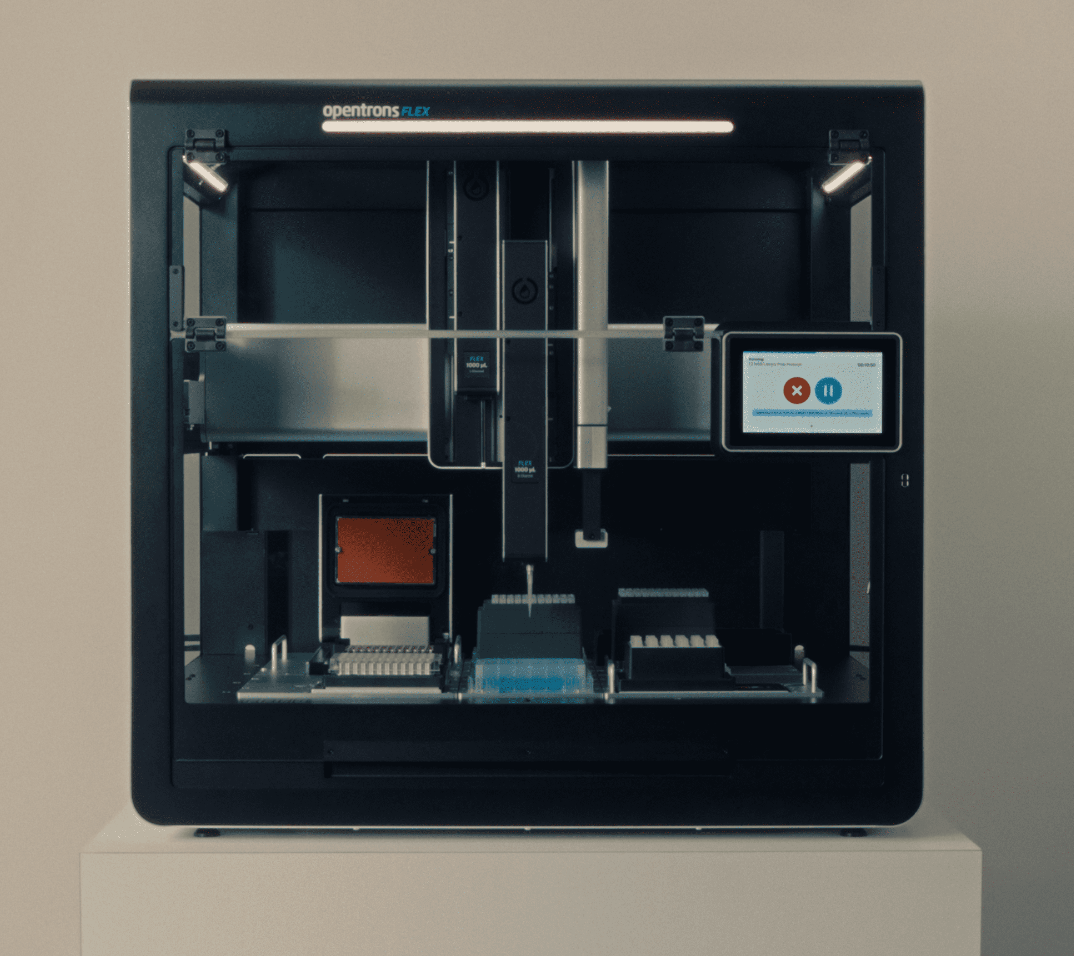
We develop technologies and workflows that support whole-genome sequencing in cancer diagnostics. Our work spans assay development, end-to-end automation of next-generation sequencing, and the validation frameworks needed for clinical-grade genomic tools.
Drawing on experience analyzing thousands of cancer whole genomes, we build scalable methods to process complex datasets and connect genomic findings with clinical information.